Resource Public Key Infrastructure (RPKI) has become a key pillar for ensuring the cryptographic validity of BGP advertisements and preventing incidents such as route hijacking. A recent study prepared for LACNIC (in Spanish) presents a detailed overview of how this technology has evolved globally and in the region of Latin America and the Caribbean, revealing sustained progress as well as persistent challenges.
1. Global Trends: Sustained Growth and Operational Challenges
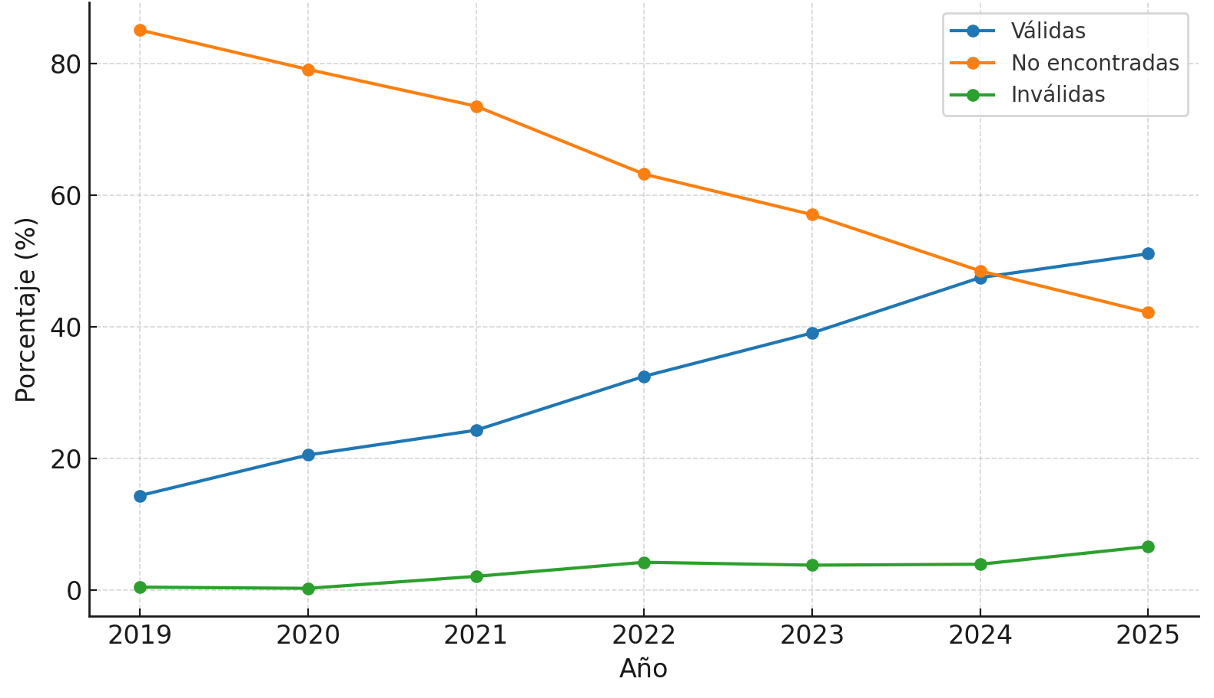
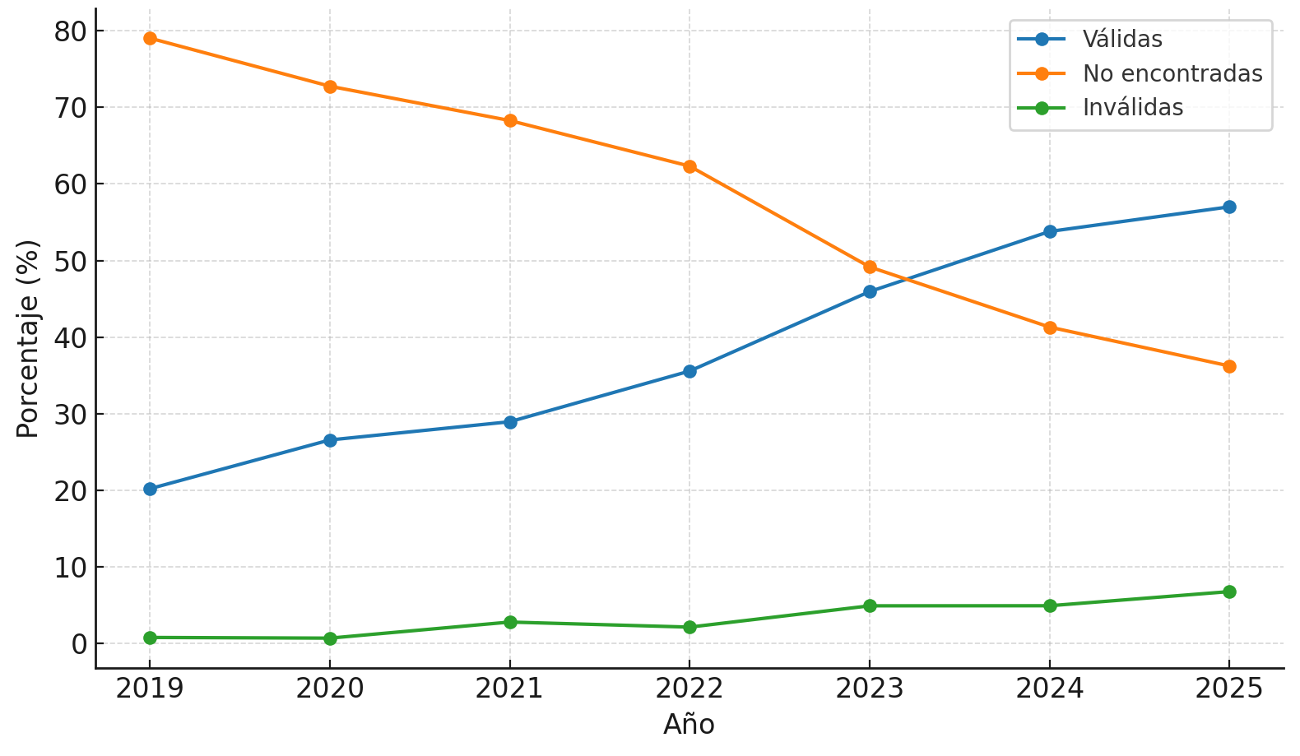
Between 2019 and 2025, global RPKI adoption exhibited accelerated growth:
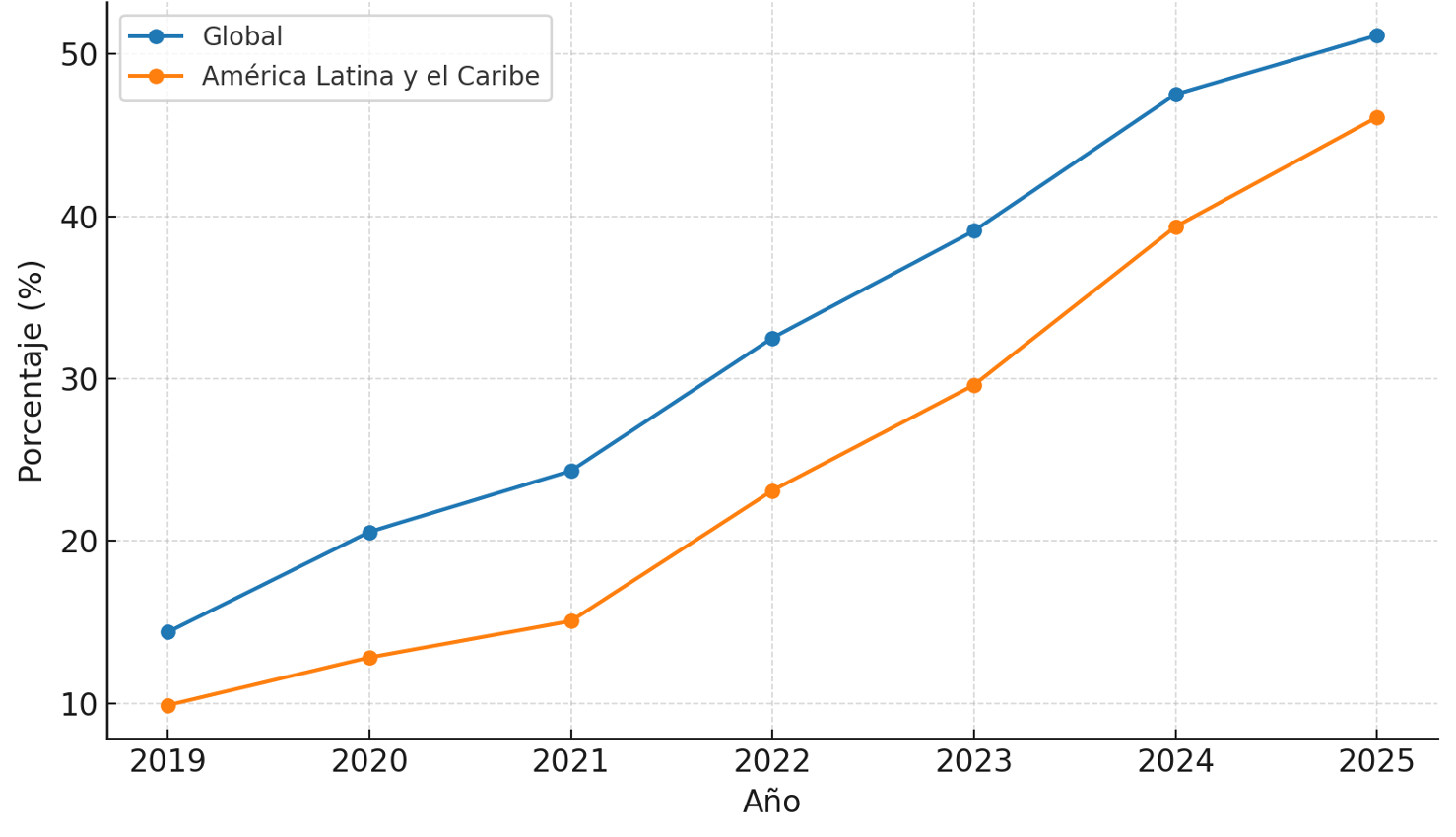
IPv4: Valid routes grew from 14.39% to 51.14%, an increase of more than 400% (in absolute terms).
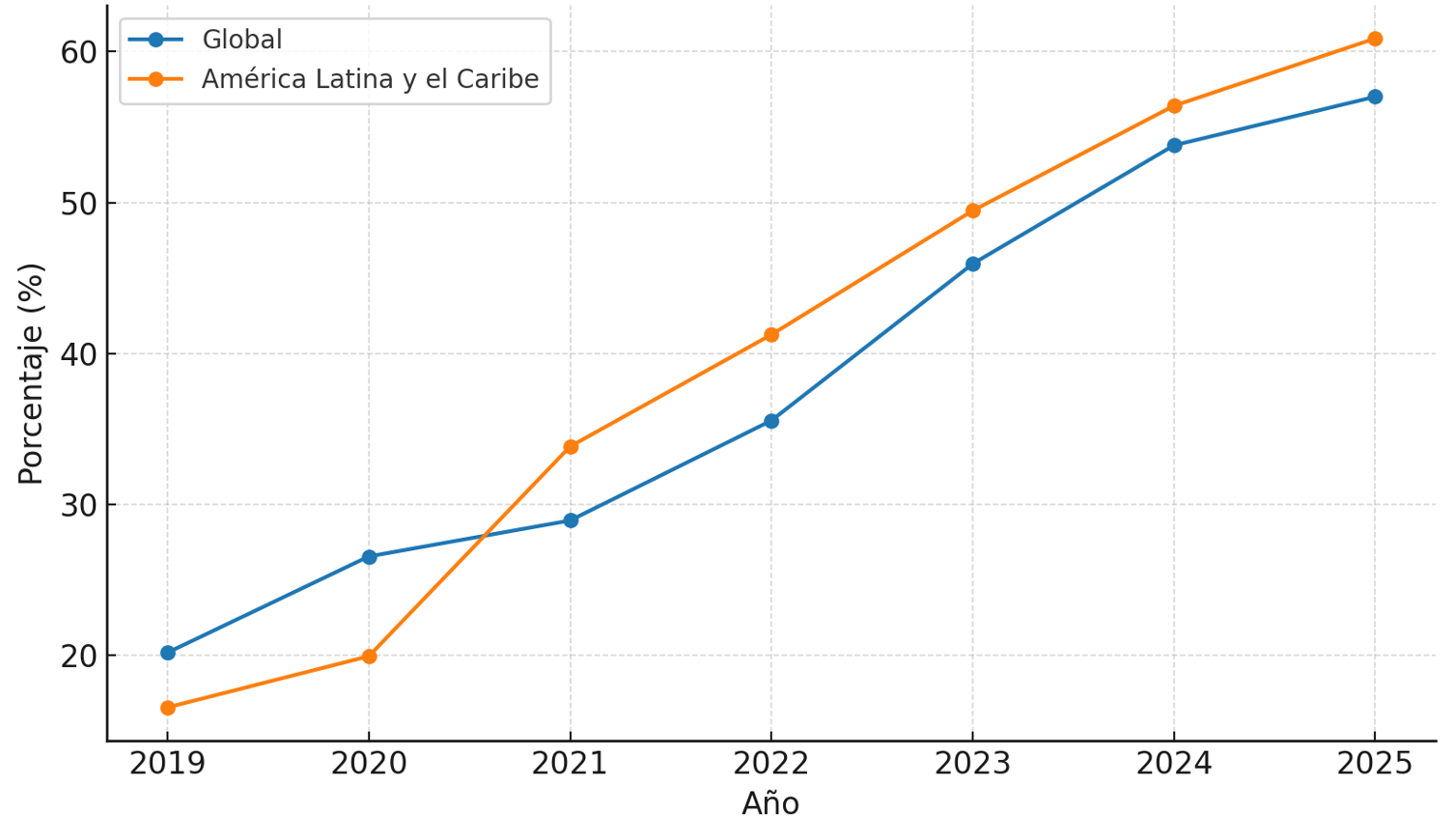
IPv6: Valid routes increased from 20.19% to 57.01%, an increase of more than 900% (in absolute terms).
(Free access, no subscription required)
Global Evolution of RPKI – IPv4
Global Evolution of RPKI – IPv6
Accordingly, Not Found routes (routes with no matching or covering ROA) decreased dramatically:
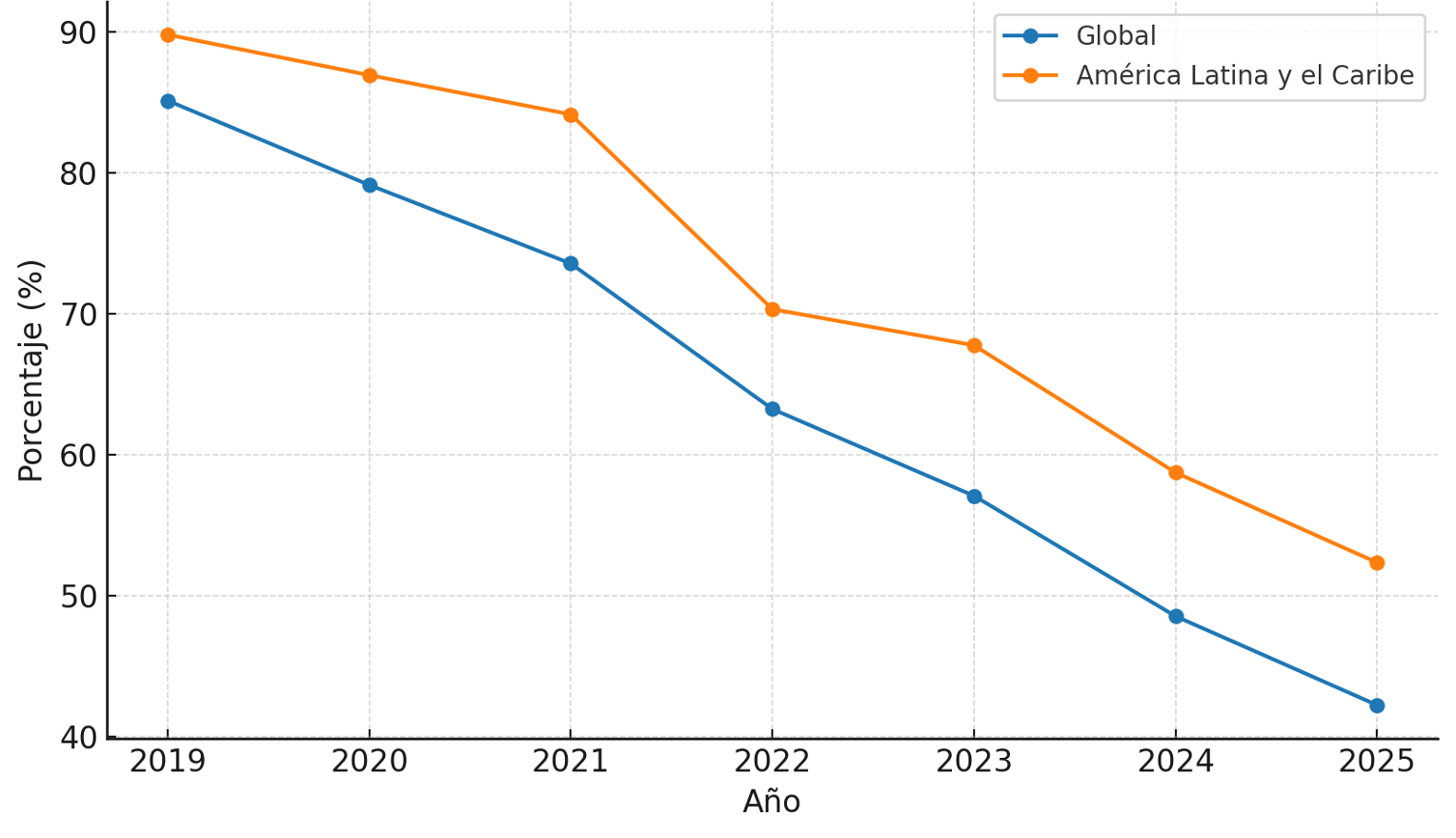
IPv4: From 85.13% to 42.21%
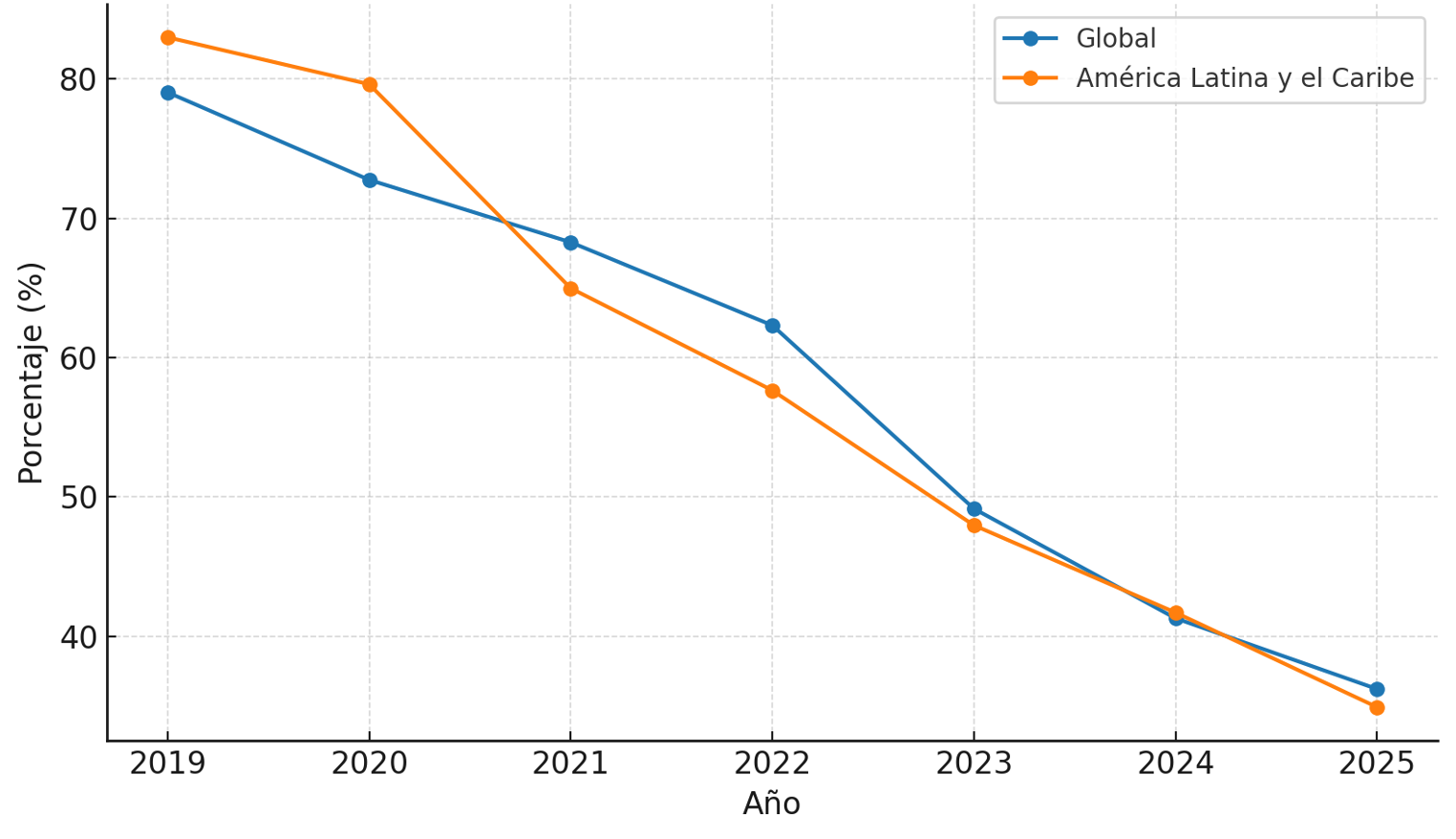
IPv6: From 79.04% to 36.22%
In the case of IPv4, Valid routes overtook Not Found routes in 2024; in the case of IPv6 this happened a year earlier. This shows that the technical community adopted validation more quickly for the newer protocol.
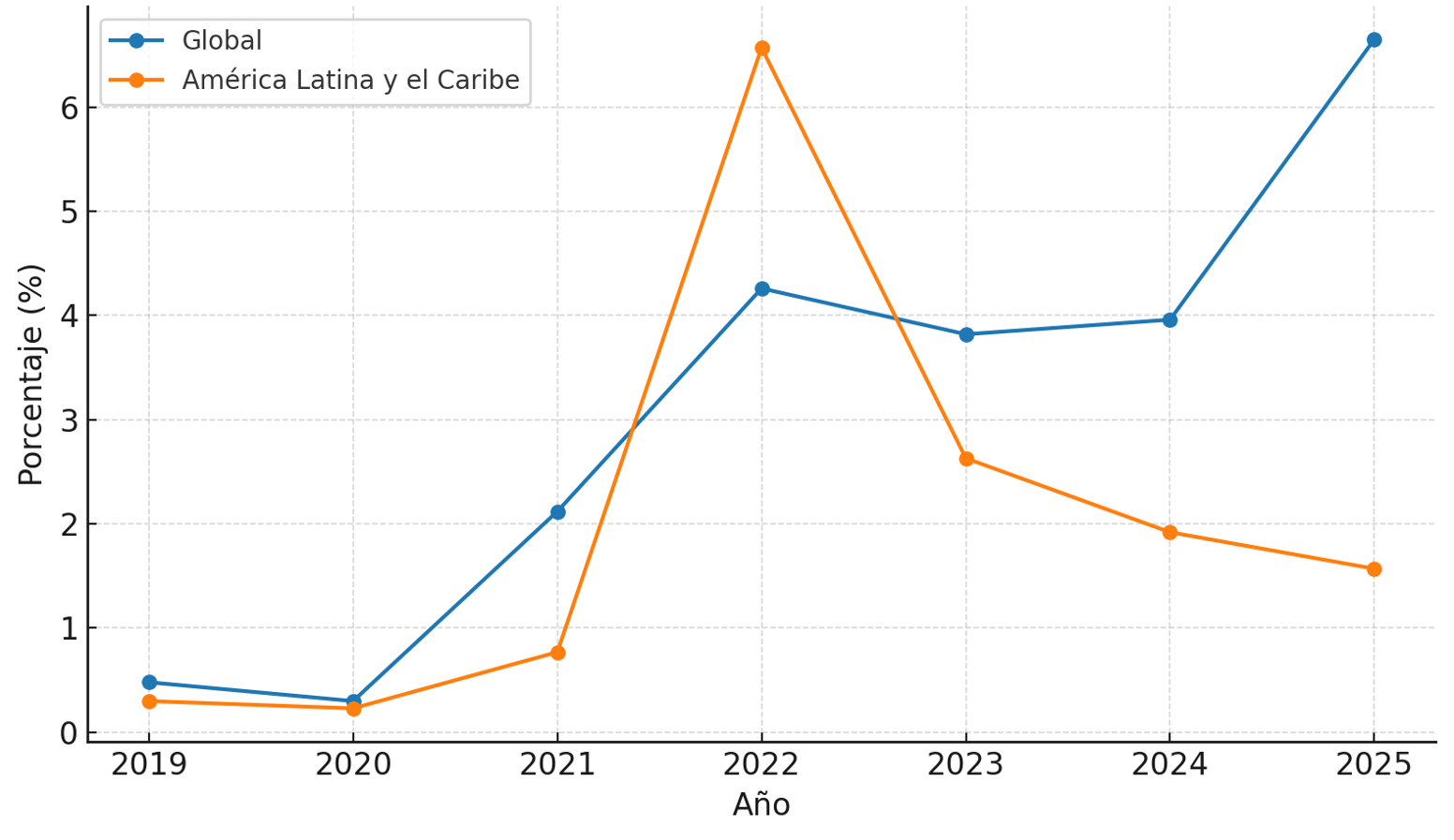
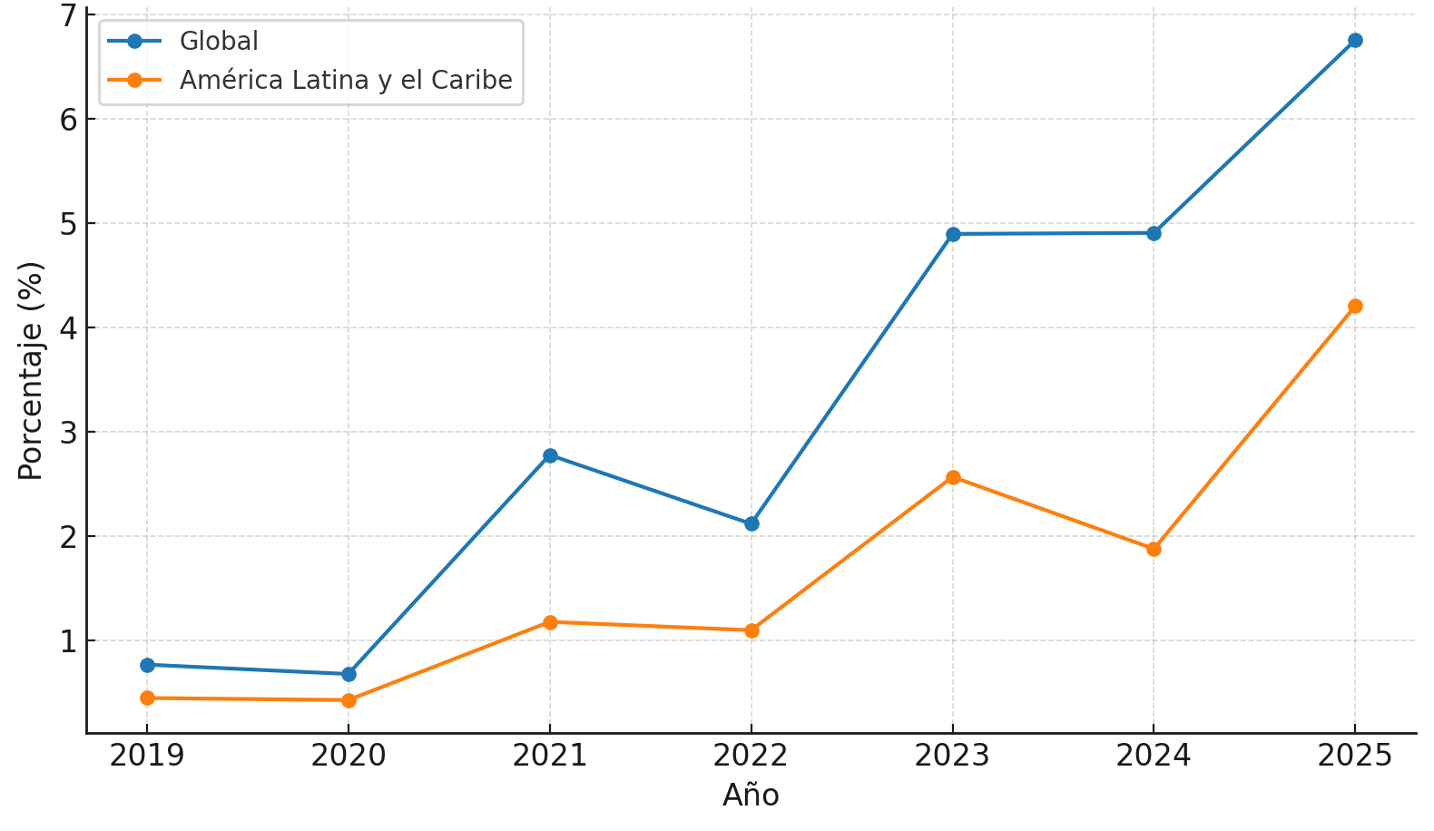
However, the study warns of an increase in Invalid routes:
IPv4: From 0.48% to 6.65%
IPv6: From 0.77% to 6.76%
This trend reflects ongoing challenges in managing and properly updating ROAs, especially in large-scale environments.
2. Latin America and the Caribbean: A Remarkable Transformation
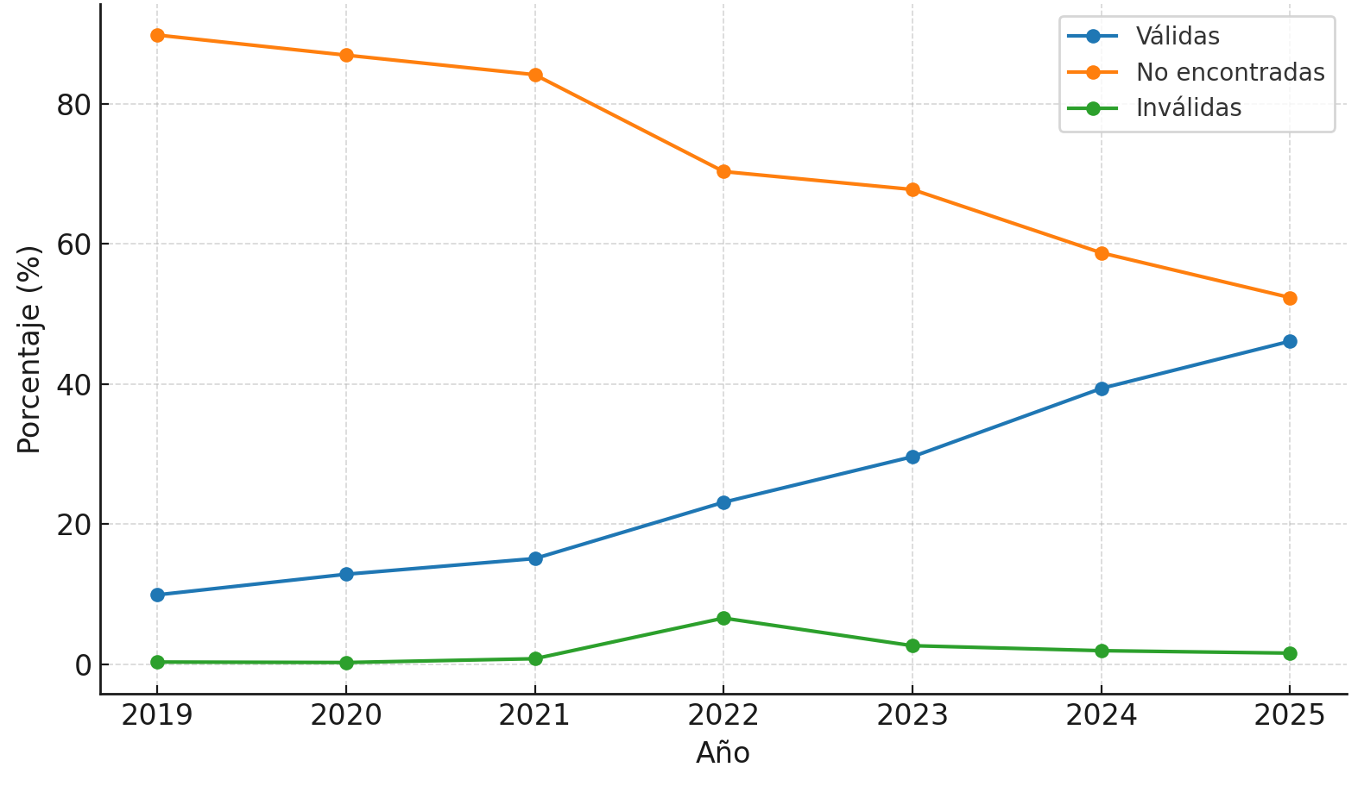
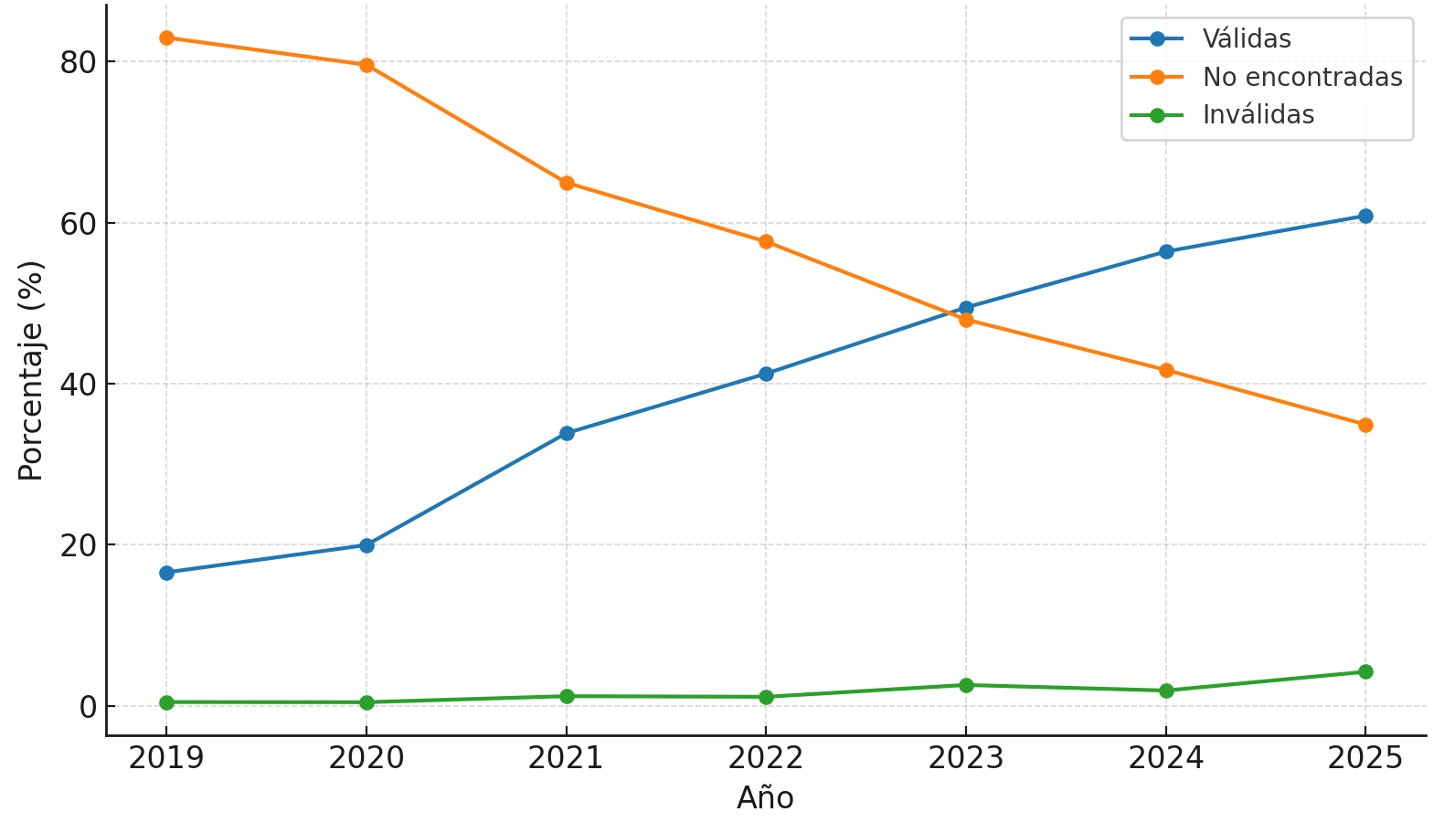
In the Americas (including North America, Central America, the Caribbean, and South America), progress has been remarkable:
IPv4
Valid routes: increased from 9.89% (2019) to 46.10% (2025), a growth of more than 500%.
Not Found routes: decreased from 89.81% to 52.33%.
Invalid routes: consistently below 7%, with a downward trend.
IPv6
Valid routes: increased from 16.56% to 60.87% (more than 1,200% in absolute terms).
Not Found routes: decreased from 82.99% to 34.92%, a sharper decline than in IPv4.
Valid routes overtook Not Found routes in 2024, a year before IPv4.
Evolution of RPKI – Latin America and the Caribbean (IPv4)
Evolution of RPKI – Latin America and the Caribbean (IPv6)
South America: South America is the regional leader in RPKI adoption for IPv4, reaching 58.61% of Valid routes and overtaking Not Found routes in 2024. In IPv6, this number is 55.91%, with a sustained reduction of Not Found routes.
Central America: Central America shows the most consistent and stable growth at a global level, with 53.21% of Valid routes in IPv4 and a historic record in IPv6 (76.97% in 2024).
North America and the Caribbean: In IPv6, they exceed 50% validation before IPv4 but show peaks of Invalid routes that require operational attention.
Comparison of Valid routes, IPv4: Global vs LATAM
Comparison of Valid routes, IPv6: Global vs LATAM
Comparison of Not Found routes, IPv4: Global vs LATAM
Comparison of Not Found routes, IPv6: Global vs LATAM
4. Key Issues and Future Challenges
The progress of RPKI over the last six years shows that:
Awareness and technical training have been decisive for sustained growth.
IPv6 is advancing faster than IPv4 in terms of validation, confirming its role as the leading protocol in routing security.
The decrease in Not Found routes is one of the clearest indicators of progress, but the increase in Invalid routes is a reminder that operational ROA management remains a key challenge.
Comparison of Invalid routes, IPv4: Global vs LATAM
Comparison of Invalid routes, IPv6: Global vs LATAM
Conclusion
The region of Latin America and the Caribbean stands at a pivotal moment. In just a few years, it has achieved progress on par with global leaders; however, consolidating this position will require improving ROA management and update practices, as well as maintaining a proactive focus on training for network operators. The path to a more secure BGP ecosystem has already been laid out. Moving forward, the challenge will be to navigate this path without leaving any gaps.
The views expressed by the authors of this blog are their own and do not necessarily reflect the views of LACNIC.