In the IPv4 era, “unnumbered” interfaces became a common practice to preserve IP addresses, allowing point-to-point links and other network functions to operate by “borrowing” the address of another interface (such as a loopback interface). In this document, we explore the concept of unnumbered interfaces and IPv6. With the advent of IPv6 and the vast address space it provides, many assumed that the concept would simply be carried over. However, IPv6 architecture is fundamentally different, leading some experts to describe the term “IPv6 unnumbered” as an oxymoron.
Does “IPv6 Unnumbered” Really Exist? The Oxymoron Debate
In networking, words matter and using the right terminology is important. Recently (late February 2026), a fascinating debate came up within IETF working groups, specifically the 6man WG, about a term that appears in certain standards (RFCs) but that according to several people should not exist: “IPv6 unnumbered.” Should it exist? It is worth recalling that it has a very popular and widely used counterpart: “IPv4 unnumbered.”
Very Briefly, What Is an IP Unnumbered Interface?
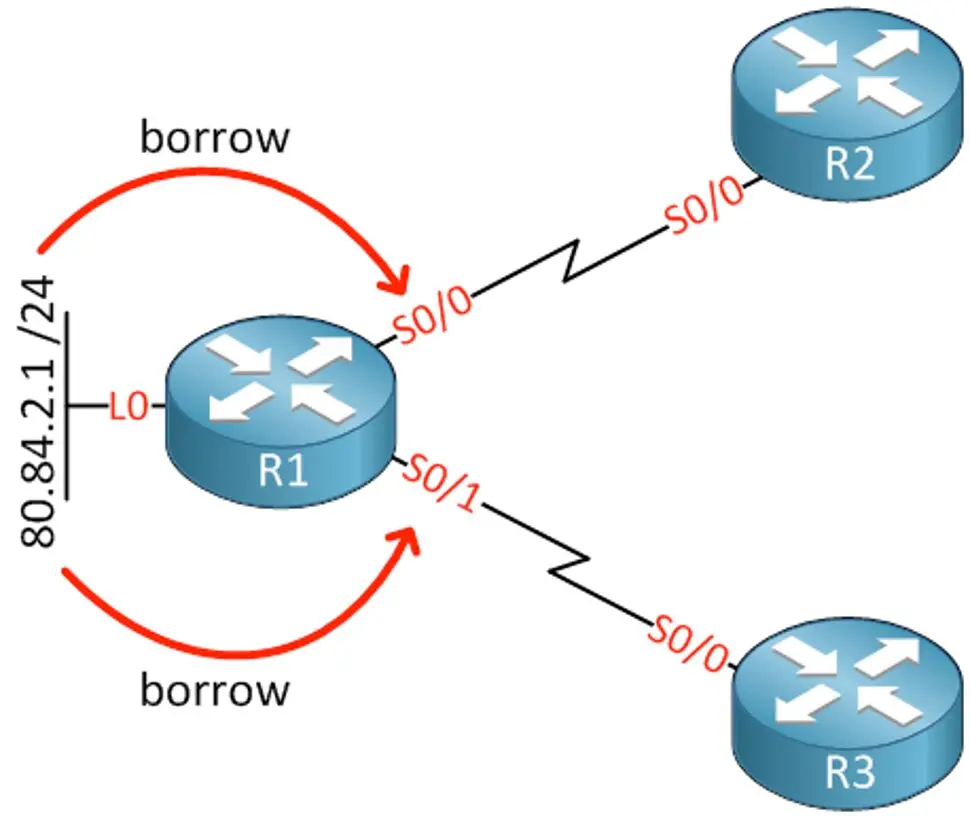
In networking, an unnumbered interface is one that functions without having been assigned its own unique IP address.
(Free access, no subscription required)
So how does it work? Simple: instead of having its own IP address, this interface “borrows” the address of another interface already configured on the same device (typically a loopback interface or a physical interface).
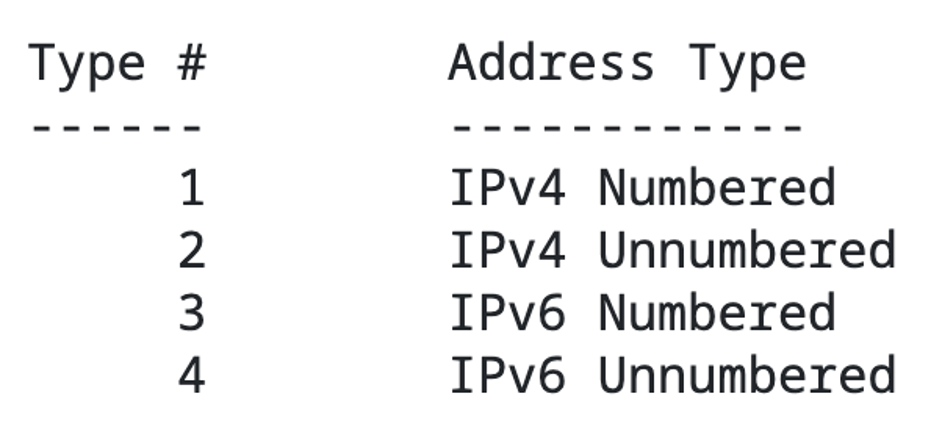
Recently, within the IETF 6man Working Group, Ketan Talaulikar found during a document review that RFC 8029 (Detecting Multiprotocol Label Switched (MPLS) Data-Plane Failures) explicitly defines an address type referred to as “IPv6 Unnumbered.”
So how does it work? Simple: instead of having its own IP address, this interface “borrows” the address of another interface already configured on the same device (typically a loopback interface or a physical interface).
Recently, within the IETF 6man Working Group, Ketan Talaulikar found during a document review that RFC 8029 (Detecting Multiprotocol Label Switched (MPLS) Data-Plane Failures) explicitly defines an address type referred to as “IPv6 Unnumbered.”
Section 3.4 of this RFC includes the following table:
Taken from RFC 8029 Section 3.4.
The Problem
To understand the issue, it helps to briefly consider the background. RFC 8029 inherited much of its text from earlier standards (such as RFC 4379), which sought to ensure that all features available for IPv4 were also supported in IPv6. This intention of maintaining “parity” and good faith led to this terminology error in the standard. Importantly, this is more a matter of form than substance, so there is no cause for concern.
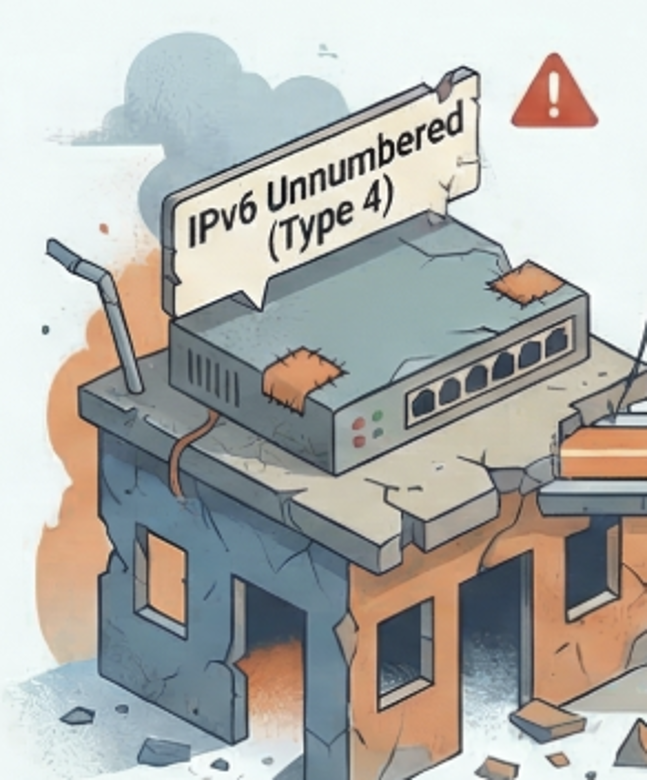
In short, there is no such thing as an unnumbered IPv6 interface. The technical arguments are clear:
Mandatory link-local addresses:RFC 4291 Section 2.8 states that all IPv6-enabled interfaces must have at least one Link-Local Address (LLA).
Basic functionality: These addresses are essential for critical protocols such as Neighbor Discovery (ND), ICMPv6, Routing, DHCPv6, and other network activities.
The most obvious and significant argument is the existence of a logical contradiction: If an interface has an address (even if it’s only a link-local address), it is technically already “numbered.”
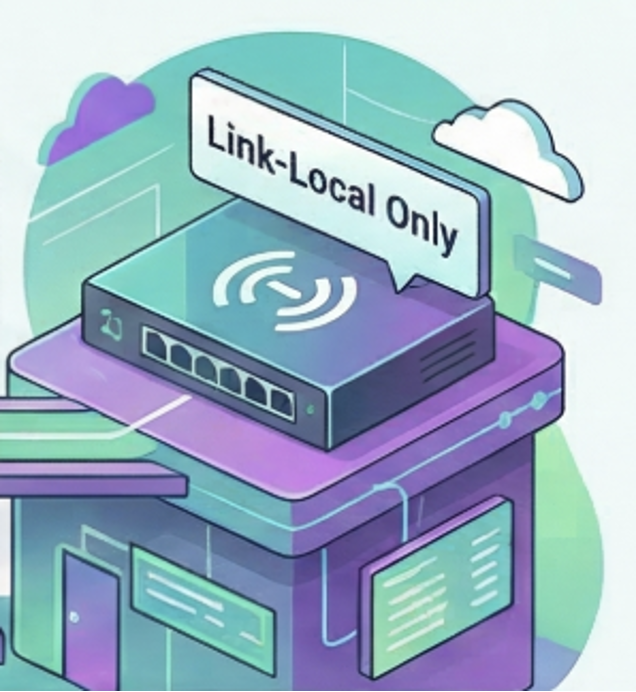
Therefore, what in IPv4 was considered an interface “without an address,” in IPv6 is simply a “Link-Local only” interface. This description sounds nice, it is explicit, clear, and leaves no room for doubt.
The Correction: Precise Terminology
Following this discussion within the IETF Working Group, it has been acknowledged that the wording in RFC 8029 is incorrect. In fact, an official erratum has already been issued to correct this.
The Working Group community agrees that the correct term for interfaces that have not been assigned Global Unicast Addresses (GUAs) or Unique Local Addresses (ULA) but which still function for routing, is “Link-Local only IPv6 interfaces.” Personally, I assume that a mnemonic such as LLO (Link-Local Only) will be created :-)
Conclusions
IPv6 is not simply IPv4 with a larger address space. Copying ideas from one to the other without proper adaptation can lead to significant design or terminology errors. This is why precision in terminology is essential. Using terms such as “Link-Local only” (LLO) instead of “unnumbered” will help avoid misunderstandings when implementing software and hardware, something that has already happened with IPv6 and other protocols. It is also important to be aware that this continues to evolve, as even published RFCs may contain errors and it is the responsibility of the community to correct them through errata.