Those Annoying Noisy BGP Speakers
May 27, 2026
By Alejandro Acosta and Elisa Peirano
Introduction
The Border Gateway Protocol (BGP) is essential for routing across the entire Internet ecosystem, so its stability is crucial for ensuring the efficient and reliable exchange of traffic and route information. However, certain anomalous behaviors, such as the excessive generation of update messages—known as excessive update rate—can lead to instability, unnecessary resource consumption, and negatively impact overall network convergence. This document describes the characteristics, causes, and solutions associated with noisy BGP routers, and concludes with a final reflection on the situation.
What is a Noisy BGP Speaker?
A noisy BGP speaker is a router that excessively broadcasts BGP updates due to instability, misconfiguration, or software failures. This behavior causes:
- Route flapping: routes that constantly switch between being available and unavailable.
- High CPU load: router processors become overloaded by handling the large number of UPDATE messages.
- Slow convergence: the time it takes for the BGP table to stabilize increases considerably.
- Bandwidth consumption: BGP update messages are quite small, but when they occur frequently, they can saturate the peering interface.
- Instability: high churn can lead to longer convergence cycles, temporary route losses, and, in extreme cases, BGP session disconnects.
When Is a Router Considered a Noisy BGP Speaker?
A BGP router is considered a ‘noisy BGP speaker’ when it generates an excessive and unnecessary volume of update messages (BGP updates), causing instability or ‘churn’ in the network. The clearest sign of a noisy router occurs when a router repeatedly advertises and withdraws one or more network prefixes at short intervals.
(Free access, no subscription required)
Causes of Noisy BGP Speakers
- Application bugs: software failures.
- Incorrect configurations (missing update-source configuration entries have been reported) that generate update storms.
- Equipment issues: faulty hardware, power outages, or DoS attacks can destabilize BGP sessions (which in turn causes many BGP update messages).
Some Solutions for Noisy BGP Speakers
- Route filtering: eliminates unnecessary or unwanted updates from neighbors.
- Proper configuration: use *update-source* for peering over loopback interfaces.
- Identifying and correcting errors: detect and resolve hardware and software bugs that cause excessive updates, typically through vendor-issued patches.
- Configuring a limit on prefixes received by the peer.
- BGP dampening: although it reduces flapping through penalties, BGP dampening is no longer recommended as a standard implementation as it can cause excessive delays in global convergence.
- Adjusting timers: modifying BGP timers (MRAI, keepalive) allows managing the update frequency more effectively.
Data Source and Applying the Identification Formula
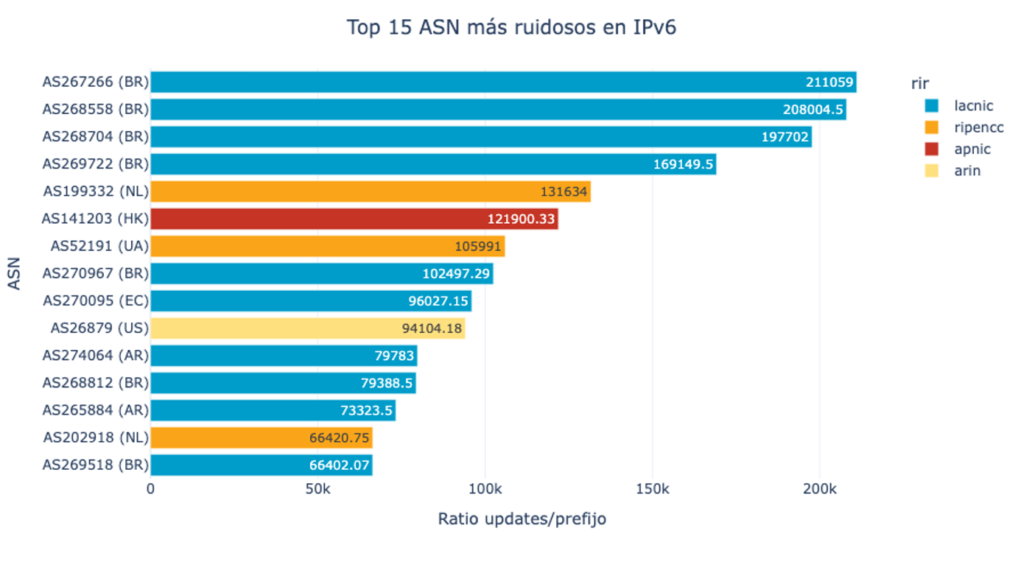
Data was used from RIPE NCC collectors identified as RRC24 (Montevideo, Uruguay) and RRC15 (São Paulo, Brazil), considering all updates corresponding to the month of March 2026.
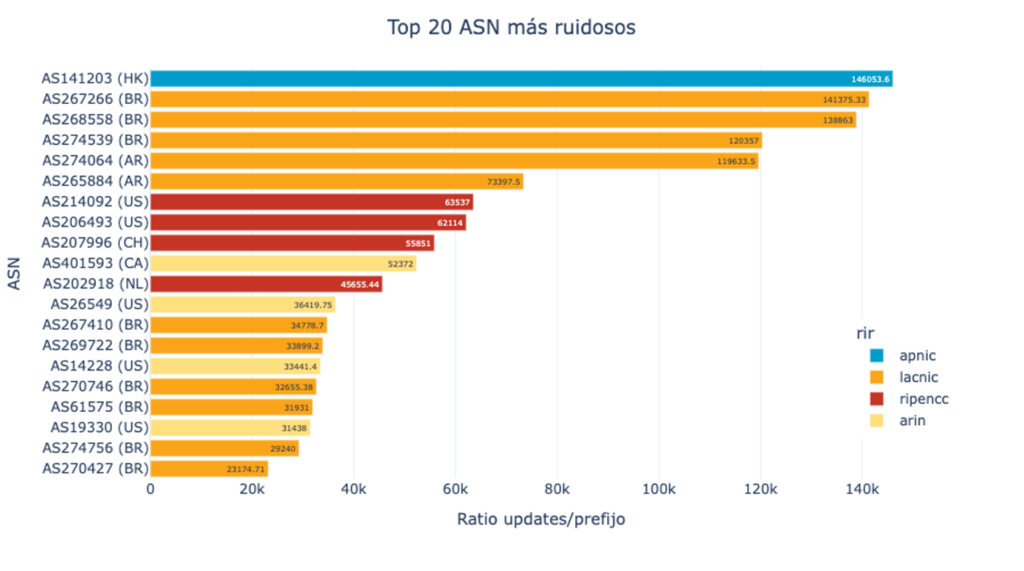
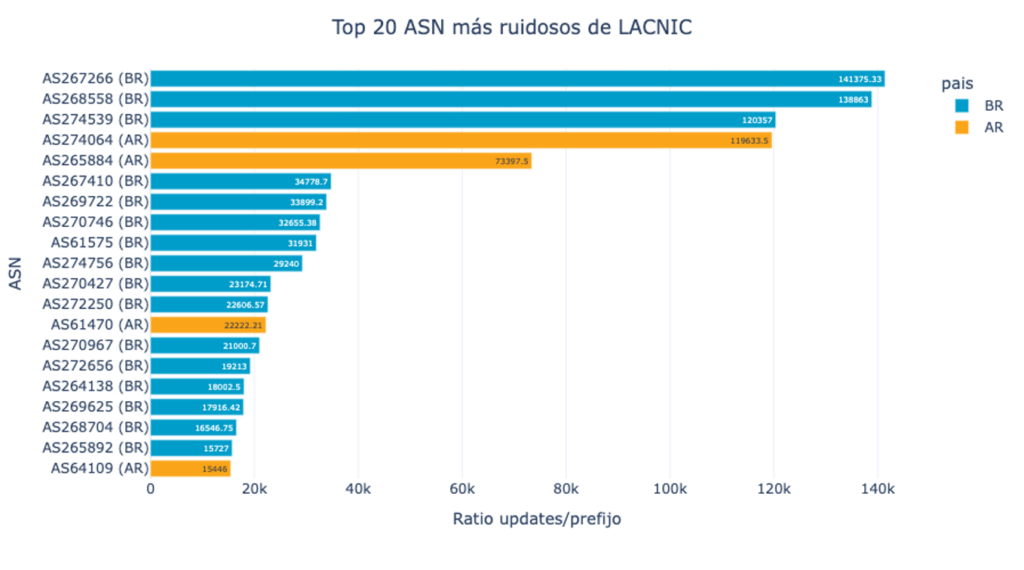
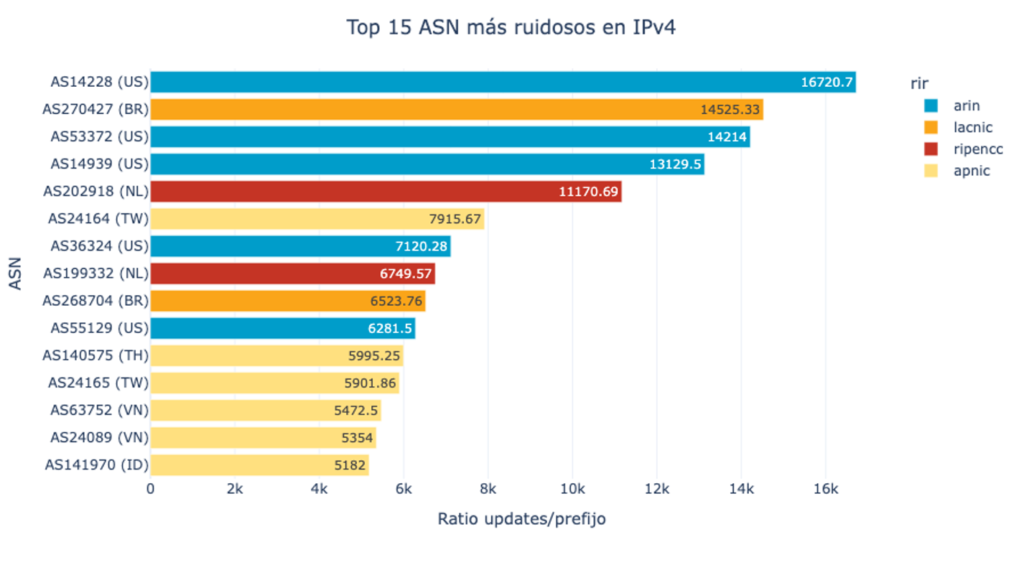
Based on the number of updates and the number of prefixes advertised by each ASN, an instability factor (or ‘churn rate’) was calculated to accurately measure the noise.

Data processing
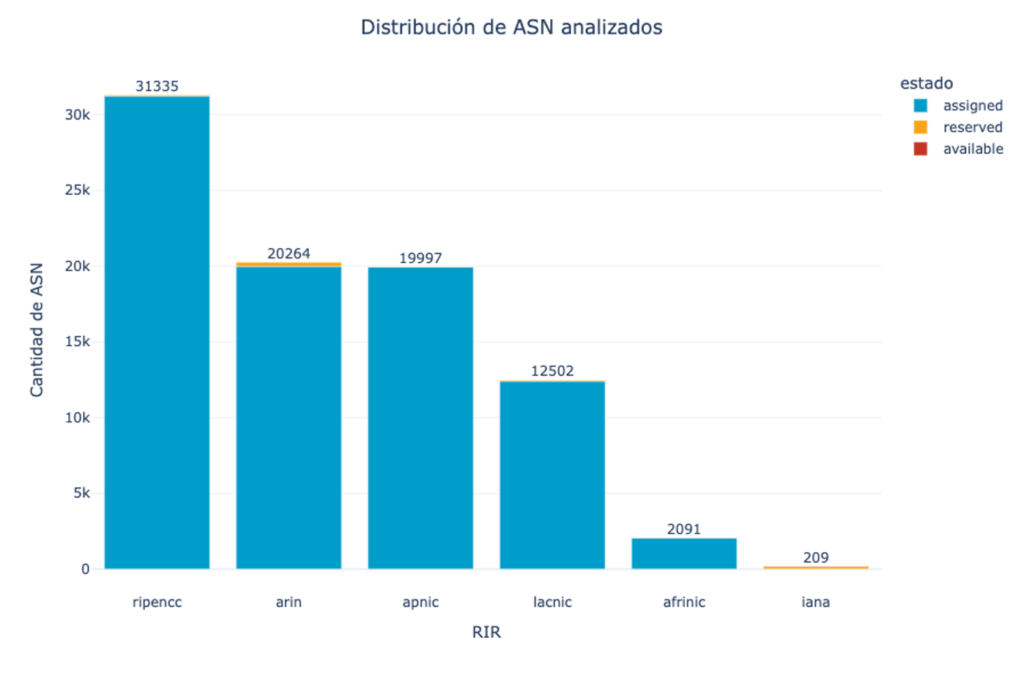
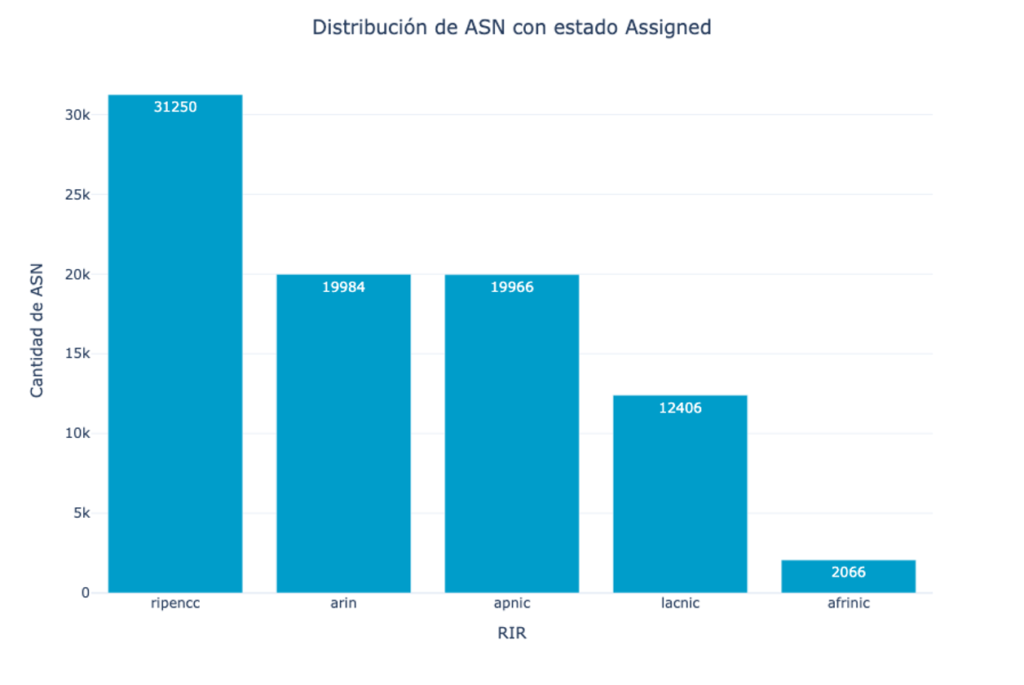
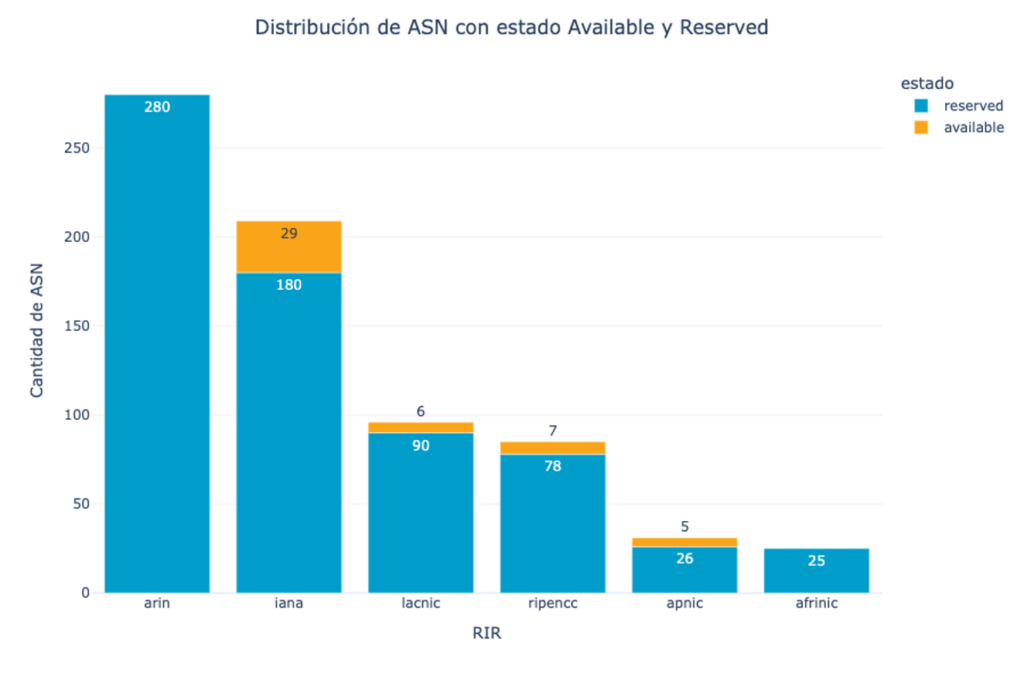
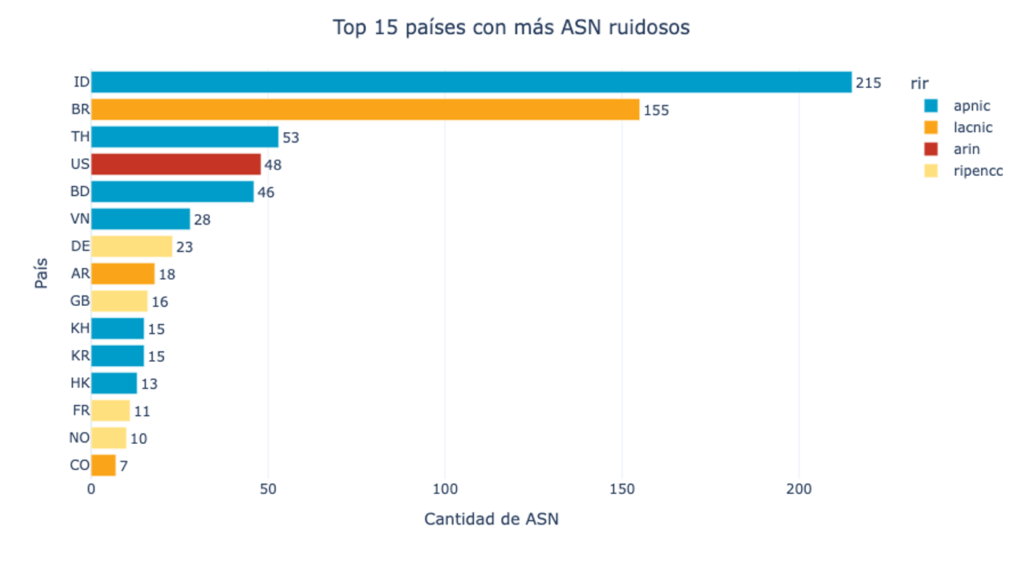
Data was processed using Python 3 and libraries such as mrtparser, pandas, NumPy, and Matplotlib, which allowed us to consolidate and categorize more than 2.222 billion BGP messages over a 48-hour period.
The views expressed by the authors of this blog are their own and do not necessarily reflect the views of LACNIC.
AS267266 FRAPORT BRASIL S.A. AEROPORTO DE FORTALEZAAS268558 LANLINK INFORMATICA LTDA.AS268704 PERNAMBUCO TELECOM LTDAAS269722 A2M Tecnologia em Internet
Vou procurar esses colegas para avaliar o que pode ser a causa…