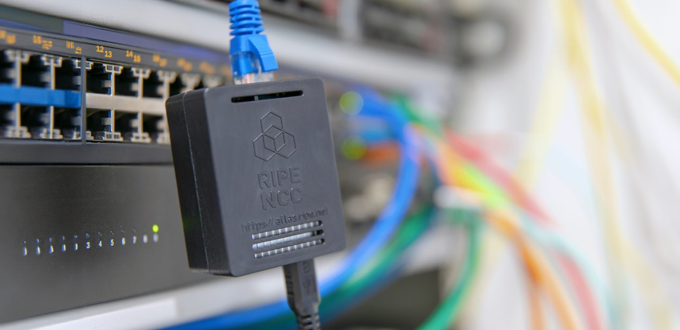
The first RIPE Atlas Anchor in Bolivia was installed during the second-to-last week of July. This marks an important step in studying Internet infrastructure in Bolivia and offers opportunities for improvement.
The importance of the RIPE Atlas project for Latin America and the Caribbean is undeniable:
- Improvement of Internet quality: RIPE Atlas data helps identify bottlenecks, routing issues, and other anomalies that affect Internet service quality. This helps Internet Service Providers (ISPs) and network operators optimize their infrastructure and offer a better end-user experience.
- Monitoring network resilience: In a region prone to natural disasters and unexpected events, RIPE Atlas is an invaluable tool for monitoring network resilience. It allows network operators to respond quickly to disruptions and restore connectivity.
- Research and development: Researchers, engineers, and policymakers use RIPE Atlas data to study Internet behavior, identify trends, and design new solutions to enhance global infrastructure.
The Impact of the RIPE Atlas Anchor in Bolivia
The installation of the RIPE Atlas anchor will directly benefit Bolivia with increased visibility and the possibility of monitoring its Internet infrastructure. This will help local actors make informed decisions on network optimization, capacity planning, and incident response.
Comteco Leads the Installation of the Anchor
Comteco, a key player in Bolivia’s telecommunications infrastructure sector, successfully led the installation of the country’s first RIPE Atlas anchor in its Cochabamba network. This initiative positions Bolivia as an active participant in the world’s largest Internet measurement network and underscores the commitment of local operators to improving connectivity, data openness, and network resilience in the region.
The experience included a virtualized anchor installation solution which leverages Comteco’s own infrastructure. While the deployment required meticulous configuration of the virtual environment (including specific ISO, secure virtual environments, network adjustments, IPv6 connectivity, and always-on availability), it enabled an agile, low-cost, and highly reliable installation. This approach demonstrates that hosting an anchor doesn’t require investing in any particular hardware.
For Comteco, hosting an anchor brings both technical and strategic benefits: access to timely measurements from hundreds of global probes and anchors directed to the locally hosted anchor, as well as recognition on official RIPE Atlas platforms. We hope this experience will inspire other providers in Bolivia and across the region to replicate the model and thus strengthen digital infrastructure through active participation in this important Internet measurement network.
For Alberto Herbas, infrastructure and network engineer at Comteco, closely following the workshops and technical outreach activities of the LACNIC R&D Ambassadors Program such as those organized by Celsa Sánchez (Chile), Hernán Samaniego (Ecuador), Richard Huchani (Bolivia), and other regional representatives was key to making this initiative a reality. The dedication, hard work, and community spirit of these ambassadors continue to bring benefits to our region and contribute to Internet development and resilience in Latin America and the Caribbean.
How Can You Participate in the RIPE Atlas Network?
For the RIPE Atlas project to reach its full potential in Latin America and the Caribbean, we need the help of the entire community. We invite Internet service providers, universities, organizations, and individuals to join this initiative.
You can contribute in the following ways:
- By hosting a RIPE Atlas Probe. Probes are small, low-power devices that connect to your network and automatically perform measurements. Hosting a probe is an easy way to contribute to the network. The probe can be hardware or software based. To learn more, go to Host a Probe.
- By hosting a RIPE Atlas Anchor. For organizations with robust network infrastructure, hosting an anchor is an even greater contribution. Anchors are more powerful measurement points that provide more granular data. For more information on how to become an anchor host, visit the “Host an Anchor” page
If you’re interested in hosting a probe, please contact atlaslac@lacnic.net.
Additionally, an Internet Measurements Tutorial based on RIPE Atlas will be offered during the LACNIC44 -LACNOG2025 event in San Salvador. For more information, visit the event page: https://lacnic44.lacnic.net/en